
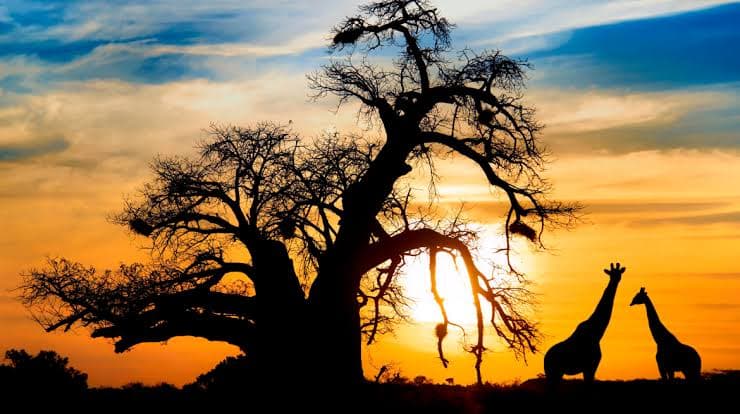
The Serengeti is one of the most remarkable wildlife destinations on Earth, and the Great Migration is one of the main reasons travelers dream of visiting Tanzania. Every year, enormous herds of wildebeest, zebra and gazelle move across the Serengeti ecosystem in search of fresh grass and water.\n\nThe migration is not a single event that happens on one specific date. It is a continuous natural cycle influenced by rainfall, food availability and the movement of the herds. This means different areas of the Serengeti offer different experiences throughout the year.\n\nJanuary to March: Calving Season\n\nThe southern Serengeti and Ndutu area become particularly exciting during the early months of the year. Fresh grass attracts large herds, while thousands of wildebeest give birth during the calving season.\n\nThis is an incredible time for wildlife photography because newborn animals attract predators such as lions, cheetahs and hyenas. The open plains also make it easier to observe interactions between predators and prey.\n\nApril to May: Green Serengeti\n\nThe long rains transform the Serengeti into a beautiful green landscape. Although some travelers avoid this period because of the possibility of rain, the quieter atmosphere can provide a more intimate safari experience.\n\nThe landscape becomes especially beautiful for photography, with dramatic skies, green plains and fewer vehicles in many areas.\n\nJune to July: Migration Begins Moving North\n\nAs the dry season approaches, large herds begin moving northward. This is one of the most popular periods for safari because wildlife viewing remains excellent while the migration becomes more active.\n\nThe western Serengeti and Grumeti region can provide opportunities to see large concentrations of animals as they continue their journey.\n\nAugust to October: Northern Serengeti and River Crossings\n\nThe northern Serengeti is often associated with dramatic migration scenes. Herds may gather around river crossings as they move toward Kenya's Maasai Mara ecosystem.\n\nRiver crossings are unpredictable. Travelers should remember that wildlife does not follow a human timetable. Some days may produce spectacular action while other days may involve patiently watching the herds gather and move.\n\nNovember to December: The Return South\n\nShort rains encourage the herds to begin moving south again. The Serengeti starts becoming greener, and wildlife viewing remains rewarding.\n\nWhy Timing Matters\n\nChoosing when to visit depends on more than the Great Migration. Travelers should also consider weather, budget, photography goals, crowd levels and the type of wildlife experience they want.\n\nFor travelers interested in predators and newborn animals, the calving season can be particularly rewarding. Travelers hoping to experience the famous northern migration may prefer the middle and later parts of the dry season.\n\nMost importantly, the Serengeti should be experienced as a living ecosystem rather than as a checklist of events. Every safari is different, and that unpredictability is part of what makes Tanzania special.\n\nAt Ndauwo Safaris, we help travelers choose routes and safari periods based on their interests, available time and expectations. Whether you want to photograph the Great Migration, search for big cats or simply experience the endless Serengeti plains, the right itinerary can make all the difference.
Loading your adventure...