
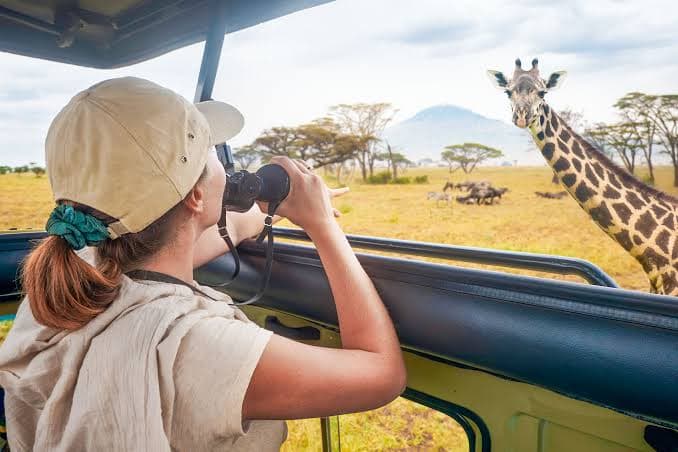
Preparing for a Tanzania safari is exciting, but knowing what to pack can make your journey much more comfortable. Safari days can begin early in the morning, temperatures can change throughout the day, and you may spend several hours traveling through remote wildlife areas.\n\nThe good news is that you do not need to bring your entire wardrobe. A practical, lightweight selection of clothing and personal items is usually enough.\n\n1. Lightweight Clothing\n\nChoose comfortable, breathable clothing suitable for warm days and cooler mornings. Neutral colors such as beige, khaki, brown and green are practical for safari environments and photography.\n\nLong-sleeved shirts and lightweight trousers are particularly useful because they provide protection from the sun and insects while keeping you comfortable.\n\n2. A Warm Layer\n\nEarly morning game drives can be surprisingly cold, especially during the dry season and in higher-altitude areas such as the Ngorongoro region.\n\nBring a lightweight fleece, sweater or warm jacket that you can easily remove once temperatures rise.\n\n3. Comfortable Shoes\n\nA comfortable pair of walking shoes or sturdy sneakers is usually sufficient for most safari activities. If your itinerary includes longer walking excursions, hiking or cultural experiences, consider bringing stronger footwear suitable for uneven ground.\n\n4. Sun Protection\n\nThe Tanzanian sun can be intense. Pack sunglasses, sunscreen and a hat with good coverage. A lightweight scarf can also be useful during dusty drives.\n\n5. Camera and Binoculars\n\nA safari is full of moments you will want to remember. Bring a camera or smartphone with enough storage and battery capacity.\n\nBinoculars are also highly recommended. They can help you observe animals that are far away and appreciate birds and other wildlife that may not be visible clearly with the naked eye.\n\n6. Extra Batteries and Power Banks\n\nSafari vehicles and lodges may provide charging facilities, but it is still wise to carry a power bank and spare batteries if you use photography equipment extensively.\n\n7. Personal Toiletries and Medication\n\nPack your essential toiletries and any medication you regularly use. Keep important medication in your hand luggage rather than checked luggage when traveling by air.\n\nA small personal first-aid kit can also be useful for minor needs during the journey.\n\n8. Reusable Water Bottle\n\nStaying hydrated is important during safari. A reusable water bottle is practical and helps reduce unnecessary plastic waste.\n\n9. Small Day Bag\n\nA lightweight day bag is useful for carrying your camera, water, sunscreen, binoculars and other essentials during daily activities.\n\n10. Travel Documents\n\nKeep your passport, travel insurance information, flight details, accommodation information and other important documents somewhere secure and easily accessible.\n\nPack Light\n\nOne of the most important safari packing tips is to avoid overpacking. If your itinerary includes small aircraft flights between destinations, luggage restrictions can be more restrictive than on international flights.\n\nA lightweight, soft-sided bag is often more practical than a large hard suitcase for safari travel.\n\nThe Perfect Safari Wardrobe\n\nSafari clothing does not need to be complicated. Focus on comfort, practicality and layers. Your priority should be clothing that allows you to enjoy long game drives, early mornings and outdoor activities comfortably.\n\nAt Ndauwo Safaris, we can help you prepare for your trip and advise you on what to bring based on your itinerary, season and activities. The goal is simple: arrive prepared, travel comfortably and spend your time enjoying Tanzania.
Loading your adventure...